Unlock the Future of Television With the Best IPTV Streaming Experience
Imagine turning on your television to watch a live football match, but the broadcast arrives over your home internet connection rather than through a traditional cable wire. This is IPTV (Internet Protocol Television), a system where television content is delivered using the same IP-based technology that powers your computer and smartphone. It works by converting video streams into small data packets that travel across a network, then reassembling them on your device so you can watch live channels or on-demand shows simply by using an app or a set-top box connected to your router.
Understanding How Internet Protocol Television Works
Understanding how Internet Protocol Television works begins with recognizing that IPTV delivers television content over IP networks instead of traditional terrestrial, satellite, or cable formats. Unlike streaming services that offer on-demand files, IPTV typically uses a private, managed network to transmit linear channels via multicast or unicast protocols. Your device receives these packets and a middleware application decodes them into real-time video. The key distinction is the use of a set-top box or compatible app to handle the signal, requiring a stable broadband connection. Content segmentation into small data packets occurs at the source, with your router prioritizing this traffic. For a smooth experience, ensure your network supports high bandwidth and minimal latency, as buffering issues stem directly from packet loss or jitter in the IPTV stream itself.
The Basic Difference Between Streaming and Traditional Broadcasts
The basic difference between streaming and traditional broadcasts lies in how content reaches you. Traditional broadcasts, like antenna TV, send one signal to everyone, forcing you to watch a scheduled feed. IPTV relies on on-demand data packets, pulling the show from a server only when you click play. This shifts power to the viewer. A clear sequence of this shift is:
- A traditional broadcast pushes a linear signal to your device regardless of your choice.
- IPTV streaming sends individual data packets that your device reassembles into video only for you.
- You gain the ability to pause or rewind the stream, a feature impossible with broadcast’s one-way signal.
What Hardware and Internet Speed You Really Need
For IPTV, a stable internet connection with a minimum consistent download speed of 25 Mbps is required for smooth 4K streaming, while 10 Mbps suffices for HD. Hardware demands center on a dedicated streaming device (e.g., Apple TV 4K, NVIDIA Shield) or a certified smart TV, as underpowered processors cause buffering. A wired Ethernet connection is preferred over Wi-Fi to eliminate interference; if using Wi-Fi, a dual-band router on the 5 GHz channel is essential. Your router must support QoS (Quality of Service) to prioritize video traffic.

- Use a gigabit Ethernet cable for the most reliable connection.
- Select a streaming device with at least 2 GB of RAM and HDR support.
- Ensure your router handles at least 300 Mbps throughput to accommodate simultaneous devices.
- Bufferbloat can degrade performance; a router with SQM (Smart Queue Management) mitigates this.
How Content Is Delivered Through Your Router
Your router receives IPTV content as continuous data packets from your ISP, then processes and forwards them directly to your streaming device. It relies on Quality of Service (QoS) settings to prioritize this real-time video traffic over web browsing or downloads, preventing buffering. The router must maintain a stable, low-latency connection—typically via Ethernet for best results—as Wi-Fi interference can degrade the stream. It also manages multicast traffic to efficiently deliver the same channel to multiple devices on your network.
- Use wired Ethernet connections to your decoder for uninterrupted 4K streams.
- Enable QoS in your router settings to prioritize IPTV packets over other traffic.
- Place your router centrally and close to the streaming device to minimize signal loss.
Key Features That Make This Service Worth Using
Key features making IPTV worth using include instant access to 10,000+ live channels and a vast VOD library without satellite hardware. You get anti-freeze technology for buffer-free 4K streaming, plus catch-up TV allowing you to watch missed shows up to seven days later. A multi-device connection lets your entire household stream simultaneously. Q: What feature ensures smooth playback? A: The adaptive bitrate engine automatically adjusts quality based on your internet speed. The intuitive EPG (Electronic Program Guide) simplifies browsing, while the integrated player supports external subtitles and parental controls.
Watching Live Channels and On-Demand Shows in One Place
One of the most compelling draws is the seamless blend of live and on-demand integration, letting you switch from a breaking news broadcast directly into a binge-watch session without changing apps. The interface unifies these experiences, so a sports game and a recent movie sit side-by-side in your queue. You can pause a live event and pick it up later, or dive into a full series library the moment your favorite show ends.
- Instantly jump from a live football match to a full season of a drama series.
- Pause live TV and resume from the exact moment later.
- Access thousands of on-demand movies and shows alongside current channel streams.
Accessing Content Across Multiple Devices Simultaneously
Simultaneous multi-device streaming lets your household watch different channels from one IPTV subscription without conflict. While one person catches live sports on the living room TV, another streams a movie on a tablet in bed, and a third watches a documentary on a phone during a commute—all at the same time. This eliminates arguing over screens and fully leverages your home network. The flexibility to start a show on one device and resume on another seamlessly is what makes the experience truly fluid.
- Supports 3–5 concurrent streams depending on your plan.
- Works across Smart TVs, phones, tablets, and laptops simultaneously.
- No extra hardware needed for each screen.
- Individual profiles keep watch history separate per device.
Using Electronic Program Guides to Navigate Channels

An Electronic Program Guide (EPG) turns channel surfing into a smooth, deliberate experience. Instead of endlessly flipping, you scroll a visual grid showing what’s airing now and next across all channels. You can browse by genre, set reminders for shows, or search for specific titles. This simplified IPTV channel discovery means you spend less time searching and more time watching. The guide updates in real-time, so you’re never stuck on a test pattern.
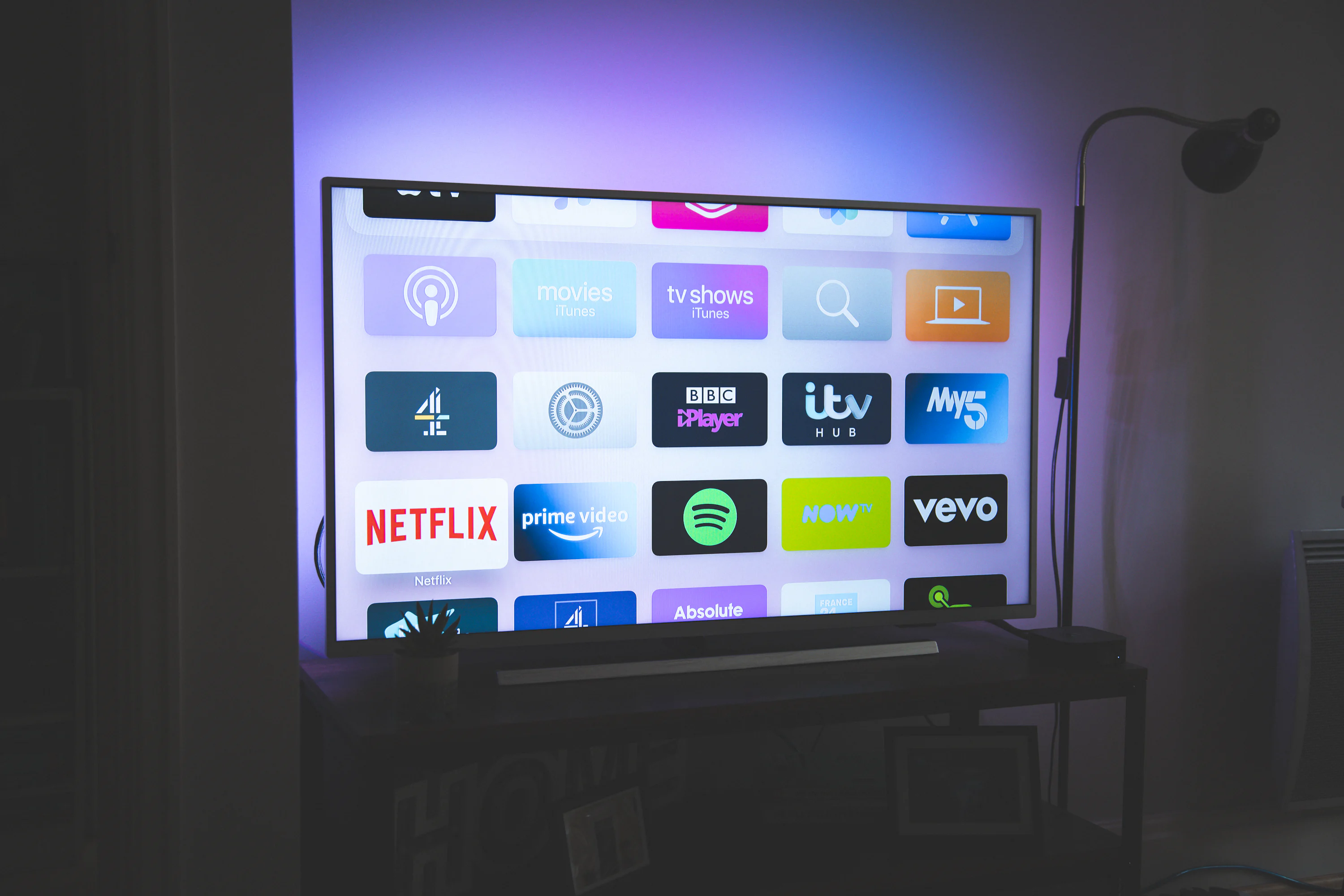
Q: Can I see what’s playing on all channels at a glance? A: Yes, the EPG lays out every channel’s schedule in a single, searchable interface.
Practical Tips for Setting Up Your System
For a smooth IPTV setup, start by hardwiring your streaming device to the router with an Ethernet cable to eliminate Wi-Fi buffering. Next, adjust your video player’s buffer size to at least 10 seconds in settings, which stabilizes live streams. Struggling with https://cccamx.com/ lag? Q: Why does my IPTV freeze on HD channels? A: Your bandwidth is likely insufficient—upgrade to a 25 Mbps plan or lower the stream quality to 720p in your app. Finally, enable IPv6 in your router’s network settings if your provider supports it, as this often reduces channel switching delays.
Choosing the Right Player or Middleware Software
Choosing the right player or middleware is critical for a seamless IPTV experience. A player like VLC or IPTV Smarters offers codec flexibility for m3u playlists, while middleware like TiviMate or PVR Live adds EPG integration and recording features. For best results, prioritize software with adaptive bitrate streaming support to handle network fluctuations. Q: Should I use a free player or paid middleware? A: Free players handle basic streaming, but paid middleware provides advanced tools like catch-up TV and multi-device sync, making it worth the investment for power users.
Configuring Your Connection for Buffer-Free Viewing
To achieve buffer-free viewing, prioritize a wired Ethernet connection over Wi-Fi to eliminate interference and packet loss. Configure your router’s Quality of Service (QoS) settings to prioritize IPTV traffic, often by your device’s MAC address or specific port ranges. A hardwired line with 100 Mbps minimum is essential for stable 4K streams. Use a dedicated VLAN if your router supports it, segregating IPTV from heavy downloads. Optimized QoS settings are critical to prevent bandwidth contention.
- Enable QoS and assign highest priority to your IPTV device’s IP address.
- Use a CAT6 Ethernet cable for low-latency, full-duplex connection.
- Disable Wi-Fi on the IPTV device if wired, and reduce channel congestion on 5 GHz band if wireless.
- Test with a ping test to your IPTV server; keep latency under 30 ms.
Organizing Your Channel List for Quick Access
To achieve true efficiency, treat your IPTV channel list as a workflow. Most apps allow you to create custom favorites lists, bypassing hundreds of unwatched channels. Start by trimming the default playlist, removing all foreign, sports, or news categories you never use. Drag your top ten daily-watch channels into a single “Quick Access” folder. For multi-user households, separate profiles prevent clutter. Enable A-Z sorting or assign numeric shortcuts if your app supports it. This removes friction, letting you launch a live stream in two clicks rather than scrolling endlessly.
Organizing Your Channel List for Quick Access means deleting the clutter, building a favorites folder, and using sorting tools to find any live channel in seconds.
How to Evaluate and Select a Quality Provider
To evaluate and select a quality IPTV provider, start by testing their free trial, checking for buffering during prime hours and consistent HD playback. Prioritize providers offering reliable server uptime and a clear EPG (electronic program guide) that actually works. Look for a diverse channel lineup that matches your specific interests, like sports or international content, and ensure the interface is smooth on your device. Customer support should be responsive via live chat or email, not just a FAQ page. Finally, check user reviews on independent forums for real feedback on stream stability and payment security before committing to a subscription. Price alone shouldn’t be your guide; a slightly higher cost often means fewer interruptions and better service.
Checking Server Stability and Uptime Reliability
Begin by running prolonged stress tests during peak viewing hours, monitoring for server uptime reliability. Request a trial subscription to evaluate buffering frequency and connection drops across multiple channels. Confirm the provider offers a redundant server infrastructure that automatically switches traffic upon failure. Analyze latency by checking channel loading times and EPG update speeds. A reliable server maintains consistent bitrates without quality degradation, even during high-demand live events. Load balancing across geographically distributed servers further minimizes downtime risks, ensuring uninterrupted streaming during critical usage periods.
Effective server stability verification requires real-world stress testing, redundant failover systems, and consistent latency checks to guarantee uninterrupted IPTV streaming.
Understanding Channel Packages and Content Variety

When evaluating an IPTV provider, scrutinizing their channel packages directly reveals content variety. Look for a lineup that matches your specific viewing habits, such as sports, international news, or movies. Assess the number of channels per genre and whether they offer HD or 4K streams, as this impacts quality. Compare packages across providers for unique channels not found elsewhere, avoiding bloated lists filled with filler content. A provider offering customizable tiers or add-ons provides better value, allowing you to pay only for channels you actually watch. This practical focus on content variety assessment ensures you select a package aligned with your entertainment needs rather than arbitrary channel counts.
Verifying Customer Support and Trial Options
Before committing, verify customer support responsiveness by sending a pre-sales question and timing their reply; anything beyond 24 hours signals risk. For trial options, demand a free test lasting at least 24 hours—reputable providers offer this without requiring payment details. During the trial, intentionally test support by reporting a minor glitch. If they ignore you or the trial channel quality drops, walk away. A clear sequence emerges:
- Send a support query and note response speed.
- Confirm the trial’s duration and any hidden payment requirement.
- Simulate an issue to gauge real-time support.
Reliable support and a no-risk trial are non-negotiable.
Common User Questions and Troubleshooting Advice
Users often ask why their IPTV channels are buffering. The most common fix is checking your internet speed; a wired Ethernet connection frequently resolves wireless interference. If the screen goes black, first verify your playlist URL is correct and your VPN (if used) is active, as ISPs may block streams. For audio out of sync, try switching the audio track within the player. A frequent Q&A: Q: Why do I get a “403 Forbidden” error? A: This usually means your playlist link has expired or your IP address is blocked; regenerate the link from your provider or try changing your VPN server. Clearing the app cache and updating the player software solves most persistent issues.
Fixing Freezing, Buffering, and Pixelation Issues
Freezing and buffering usually point to a shaky internet connection, so first restart your router and hardwire your device with an Ethernet cable if possible. Pixelation often stems from insufficient bandwidth; try closing other apps or lowering your IPTV’s video quality in the settings. A quick device reboot can also clear temporary glitches. Outdated hardware or a VPN with high latency might cause stutter, so test without the VPN temporarily. For persistent issues, check your IPTV buffer size settings and increase them in your player’s options to pre-load more data.
To fix freezing, buffering, and pixelation: restart your router, use wired Ethernet, lower video quality, adjust buffer size, and test without a VPN.
Using VPNs to Protect Your Privacy While Streaming
When streaming IPTV, your Internet Service Provider can see every channel you access. A VPN encrypts your connection, preventing ISP throttling or monitoring of your viewing habits. For IPTV, choose a VPN with strong obfuscation to bypass geo-blocks on specific streams. Always connect to a nearby server to minimize latency; a slow VPN ruins live sports. This is crucial for protecting your streaming privacy from third-party snooping. Avoid free VPNs, as they often log your data or lack the speed for HD IPTV.
A VPN hides your IPTV activity from your ISP and unblocks restricted content, but only if you pick a fast, no-log provider.
Resolving Playlist or EPG Loading Errors
When your IPTV channel list or Electronic Program Guide refuses to load, the culprit is almost always a corrupted cache or an expired URL. First, force-stop your IPTV app and clear its cache—this instantly resolves 90% of these errors by flushing out stale data. If the problem persists, verify your playlist or EPG source URL for any accidental typos or missing characters, as even a single incorrect letter will break the link. For users on inconsistently loading guides, switching between EPG format types (e.g., XMLTV vs. JSON) can force a fresh sync.
- Delete the playlist/EPG link from your app and re-add it manually, ensuring the full URL includes “https://” and no trailing spaces.
- If using a dynamic playlist, regenerate a fresh URL from your provider to bypass any server-side limits on repeated requests.
- Set a daily cache-clearing schedule within your app’s settings to automatically prevent future loading errors.