The Best Ways to Get Around Town Without a Car
Isn’t public transit the single most efficient engine of urban freedom? It is a shared network of buses, trains, and subways designed to move entire communities, not just isolated cars. By choosing it, you reclaim your time, your money, and your city from the gridlock of traffic and the cost of parking. Ride it to unlock a more connected and accessible life, where every stop brings a new opportunity to work, rest, or explore.
What Exactly Is Public Transit and How Does It Work?
Public transit is a shared transportation system—buses, trains, subways, and trams—that moves large numbers of people along fixed routes on a set schedule. It works by collecting passengers at designated stops, often using a single fare or pass to ride multiple lines. Vehicles run at regular intervals, typically coordinated through centralized control centers that adjust frequency based on demand. Question: How does a bus actually know when to leave? Answer: It follows a printed timetable or real-time GPS data that syncs with traffic signals and dispatch. Riders board, pay, and exit at their stop, while operators manage doors, speed, and safety. The system connects neighborhoods, reducing the need for private cars by offering predictable, cost-effective mobility.
Breaking Down the Different Modes: Buses, Trains, Subways, and Light Rail
Each public transit mode serves a distinct travel need. Buses offer unmatched flexibility, using city streets to weave through neighborhoods and adjust routes as demand shifts. Trains operate on fixed tracks, providing high-capacity, rapid connections between suburbs and downtown cores. Subways, fully grade-separated underground, deliver the fastest urban movement by avoiding all traffic. Light rail blends these worlds: it runs on dedicated tracks like a train but often shares streets with cars, prioritizing cost-effective connectivity for medium-density corridors.
Buses flex, trains link, subways speed, and light rail bridges the gap between them all.
How Routes, Schedules, and Stops Are Designed to Move You
Routes are planned along high-demand corridors to connect major destinations like downtowns, hospitals, and schools, often using a grid or hub-and-spoke pattern to minimize transfers. Schedules set precise arrival times at each stop, balancing frequency with operational cost—frequent service during peak hours, lower frequency late at night. Stops are positioned at safe, accessible intervals, typically every quarter-mile in dense areas, with shelters and signage. This network design prioritizes predictable travel times and seamless connections, enabling you to plan door-to-door journeys without a car.
Routes, schedules, and stops are designed to create a predictable, connected system that moves you efficiently from origin to destination with minimal waiting and transfers.
Understanding Fare Systems: Tickets, Passes, and Contactless Payments
Public transit relies on a clear hierarchy of payment options. Single-ride contactless payments like tapping a credit card or phone offer the quickest entry for infrequent users, while stored-value tickets remain ideal for those without a bank card. Regular commuters benefit from daily or monthly passes, which slash per-ride costs and eliminate the hassle of repeatedly buying tickets. Understanding which fare product matches your travel frequency is essential: occasional riders pay per trip with contactless taps, and daily travelers save significantly with a pass. This system ensures you never overpay for your commute.
Fare systems boil down to choosing between per-ride contactless taps for flexibility and prepaid passes for maximum savings based on your travel frequency.
How to Plan and Navigate Your First Trip
For your first trip, start by downloading the local transit app or using Google Maps to compare bus, train, or tram times. Buy a reloadable card or day pass before boarding, as paper tickets often cost more. While waiting, always check the vehicle’s route number and final destination before stepping on, since many lines share stops. A common first-time question: “How do I know when to get off?” Follow your live map, look for station names announced overhead, and count major landmarks from your start. If you miss your stop, stay calm—get off at the next one and cross the platform to head back. Keep your transit card handy for tapping out if required.
Using Real-Time Maps and Trip Planners on Your Phone
Using your phone’s real-time maps and trip planners eliminates guesswork for first-time transit users. Enter your destination into an app like Google Maps or Transit; it calculates the optimal route by combining walking, waiting, and travel times. Live location tracking shows your bus or train’s exact position on the route, so you know if it’s delayed. The trip planner often provides multi-modal options, suggesting transfers between buses and subways. Notifications can alert you when to disembark. Q: How accurate are real-time arrival predictions? A: Accuracy is high for vehicles with GPS, though delays from traffic or mechanical issues can shift estimates by a few minutes.
Reading Signs, Transfers, and Finding the Right Platform
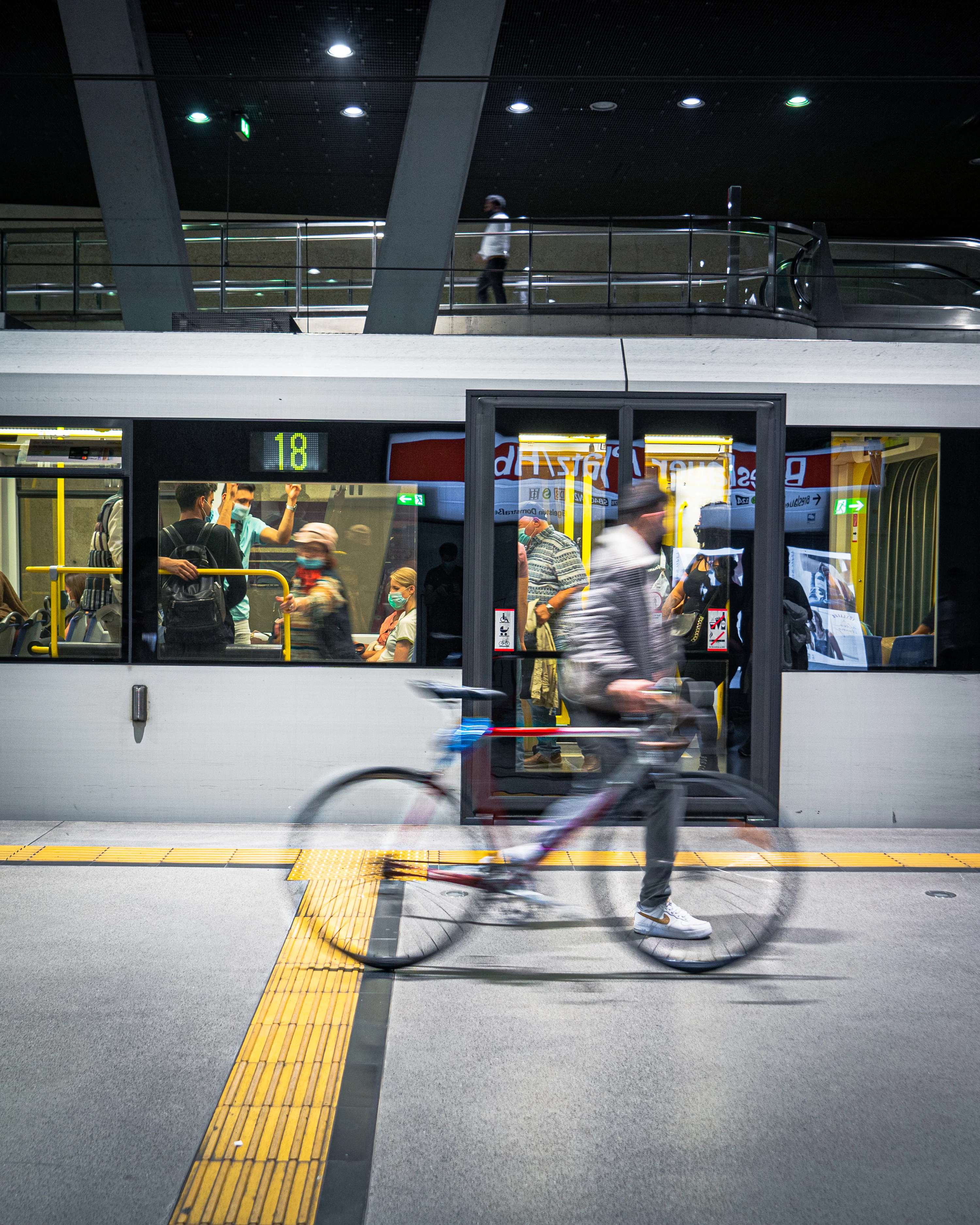
First, look for large overhead signs or digital boards listing train lines, final destinations, and departure times to find your track. For seamless multi-line transfers, follow the color-coded symbols or route maps posted on walls and pillars. When switching from a bus to a train, check the transfer station’s central concourse for a yellow or white wayfinding map. Once on the platform, double-check the electronic sign above you to ensure it matches your route’s direction. If you’re unsure, a simple sequence helps:
- Identify your line by its name or number in the station directory.
- Note the end-of-line station listed on the departure board.
- Match the platform number to your train before boarding.
Look for arrows painted on the floor or lit signs that point toward the correct platform stairs or elevator.
What to Do Before You Board: Timing, Payment, and Etiquette
Before boarding, confirm the exact departure time and platform via the transit app to avoid last-minute rushes. Have your fare ready—tap a contactless card or scan a digital pass at the validator before stepping aboard. Stand clear of the doors until disembarking passengers exit, then board in a single file to keep flow efficient. Offer your seat to those who need it, avoid loud phone calls, and store bags on your lap or beneath the seat to prevent blocking aisles or seats.
Key Features That Make Riding Easier and Safer

Key features that make riding easier and safer on public transit include real-time tracking and contactless fare payment. Live arrival updates reduce anxiety and wait times, while tap-to-pay cards or apps eliminate fumbling for cash. Clearly marked priority seating and designated wheelchair areas ensure accessibility. Audio and visual next-stop announcements keep passengers informed, preventing missed stops and reducing sudden movements. Strategically placed handrails and non-slip flooring enhance stability during acceleration. Well-lit, monitored stations and onboard emergency intercoms provide a secure environment, allowing riders to focus on their journey rather than potential hazards.
Accessibility Options for Wheelchairs, Strollers, and Limited Mobility
Modern public transit vehicles include dedicated accessible boarding areas with manual or automatic ramps and bridge plates that eliminate https://montrealrb.com/ gaps between the platform and the vehicle floor. Priority zones feature flip-up seats and securement systems with four-point straps for wheelchairs, while integrated roll-stops prevent strollers from drifting. Low-floor designs and kneeling functions lower the entry step, aiding passengers with limited mobility. Simple push-to-request buttons and wide double doors further reduce effort during boarding and alighting, ensuring a stable, dignified ride for all users.
Real-Time Arrival Alerts and Delay Notifications
Real-time arrival alerts eliminate guesswork by pushing updated vehicle positions to your device, allowing you to time your departure precisely. Delay notifications automatically trigger via app or SMS when a bus or train falls off schedule, recalculating wait times to prevent missed connections. These systems rely on GPS data and historical patterns to distinguish a minor stall from a major disruption, applying different thresholds for alerts. This lets you decide instantly whether to wait in place or seek an alternate route. Predictive delay modeling is key here: it tells you if a 6-minute gap will stay stable or widen, optimizing your decision-making on the platform.
| Alert Type |
User Benefit |
Trigger Condition |
| Arrival Countdown |
Wait at home, not stop |
GPS position matched to route |
| Delay Notification |
Reroute before impact |
Deviation > 3 minutes from schedule |
Safety Tips for Day and Night Travel on Shared Transport
For shared transport, day and night travel safety begins with awareness. During daylight, sit near the driver and keep valuables secured in front pockets. At night, use well-lit stops and wait inside a station or shop until your ride arrives. Track your route on a phone, and share your ETA with a contact.
- Choose a seat near the exit or operator, especially after dark.
- Wear headphones in only one ear to hear announcements or alarms.
- Keep a portable charger ready to ensure your phone stays powered for navigation or emergency calls.
Practical Benefits You Get From Using Shared Mobility
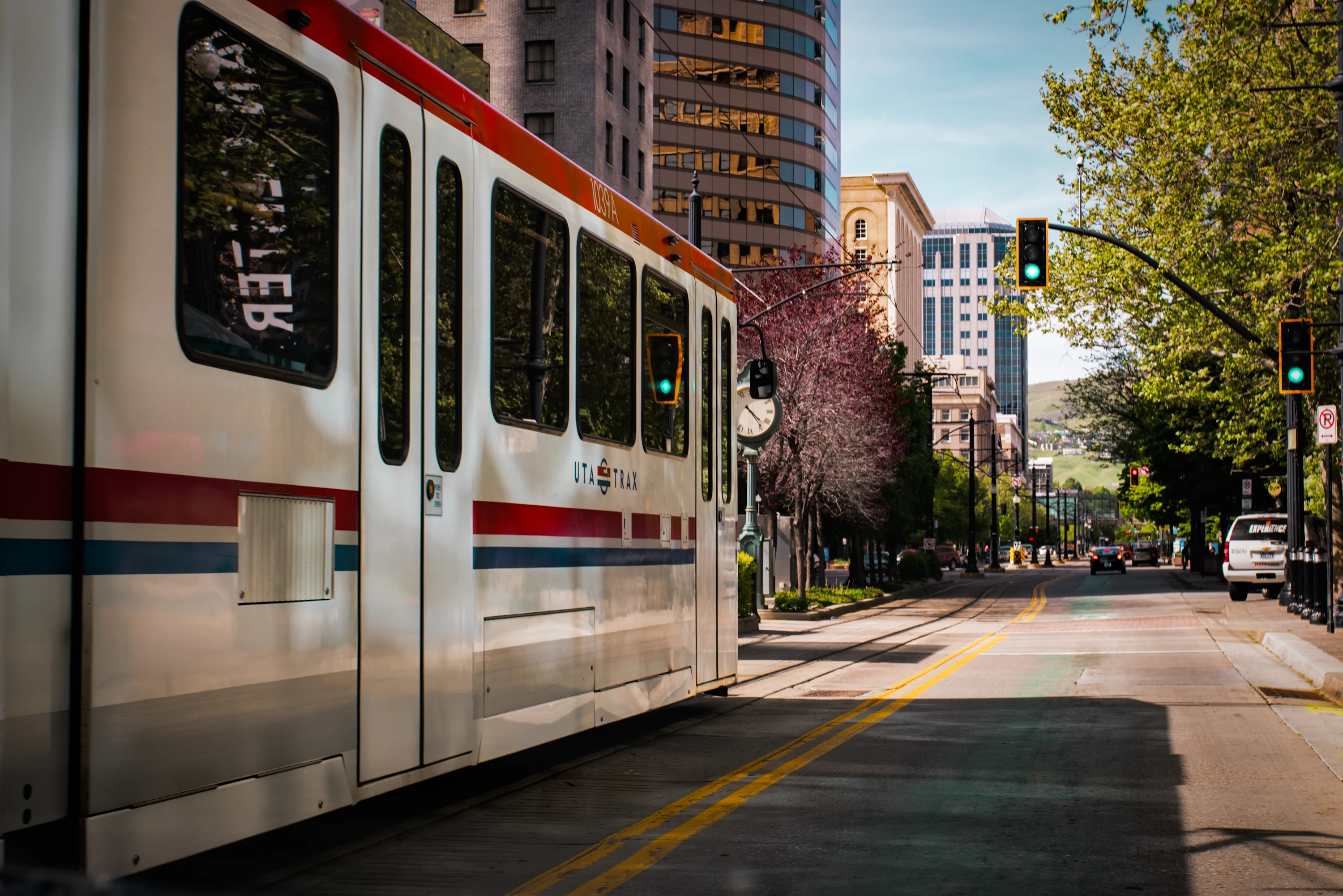
Using shared mobility directly enhances public transit by solving the first-and-last mile problem. You can bike or scooter to a bus stop or train station, eliminating the need to walk long distances or drive to a parking lot. This integration allows you to combine a short, flexible ride with a longer, fixed-route journey, significantly reducing total travel time. It also provides a reliable backup: if you miss the last train, a shared vehicle can get you home without waiting for a delayed night bus. Finally, you avoid car ownership costs entirely, paying only for the brief portion of your trip that connects you to the main public transit network.
Saving Money on Fuel, Parking, and Maintenance Costs
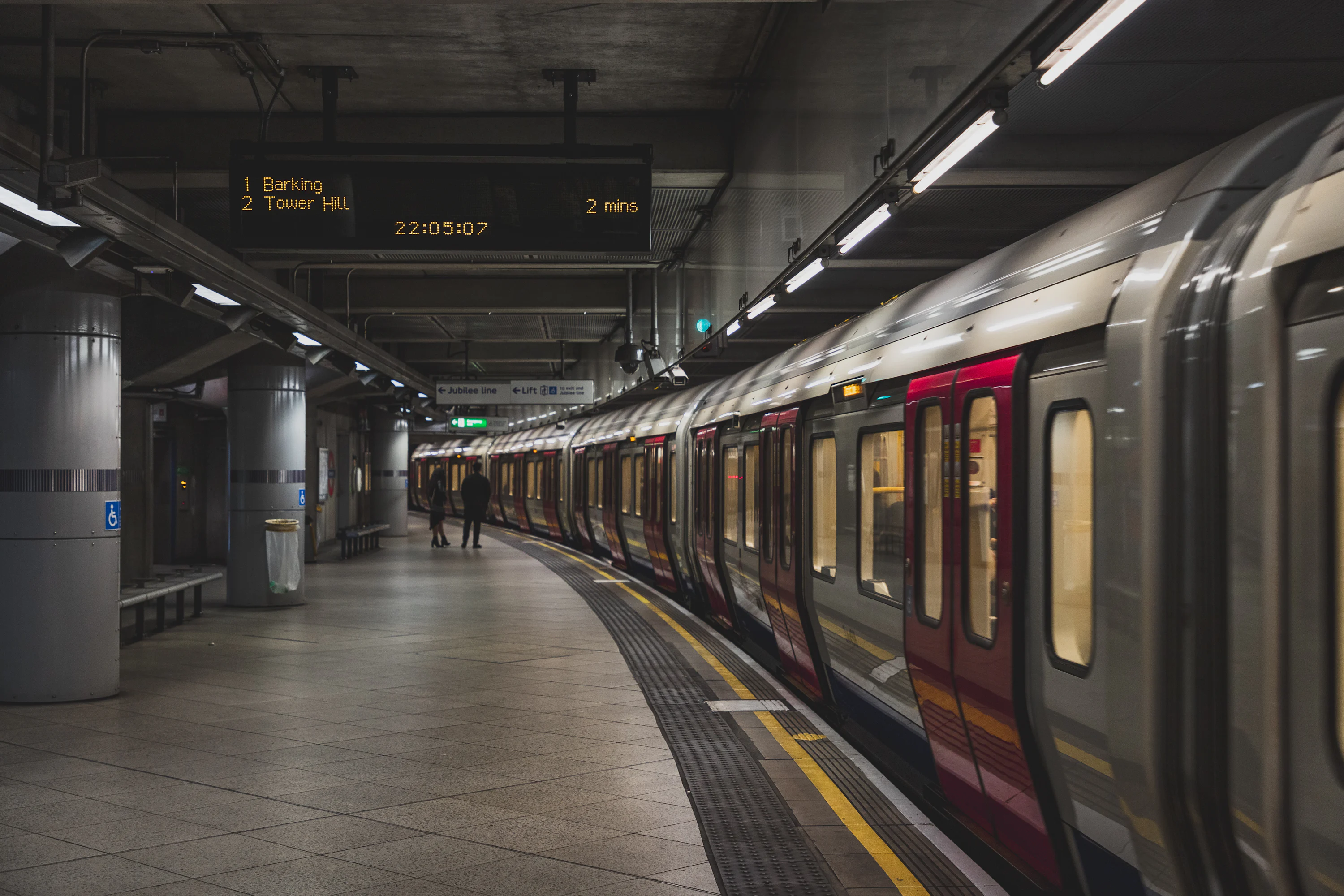
Using shared mobility through public transit delivers direct financial relief by eliminating recurring vehicle ownership costs. You save significantly on fuel by avoiding daily commuter traffic and price fluctuations at the pump. Parking fees, which can exceed hundreds of dollars monthly in urban areas, become a non-issue since you no longer need a dedicated spot. Maintenance costs, including oil changes, tire replacements, and unexpected repairs, are entirely bypassed. The core advantage is reduced total transportation expenditure, as your only expense becomes a fixed transit fare.
- Eliminate all spending on gasoline or diesel for daily commutes.
- Avoid costly monthly parking permits or hourly garage fees.
- Zero out-of-pocket costs for routine vehicle servicing or breakdown repairs.
Getting Around Without Driving: Stress-Free Commuting and Errands
Leaving the car behind for shared mobility transforms daily travel into a calmer routine. You reclaim time once spent in traffic for reading, planning, or simply relaxing. Errands become simpler when you combine a train trip with a bike-share or a short walk to cover the last mile. To master stress-free car-free errands, follow this sequence:
- Plan your route using a transit app to check real-time arrivals and connection times.
- Choose a shared scooter or bike for quick, flexible trips under two miles instead of waiting for a bus.
- Use ride-hailing for heavy grocery loads when transit options are limited.
This approach avoids parking headaches and keeps your schedule predictable, making the entire journey more peaceful.
Environmental Upside: Lower Emissions and Less Traffic Congestion
Choosing shared mobility directly cuts emissions by replacing multiple single-occupancy vehicles with one trip, reducing your personal carbon footprint. Fewer cars on the road mean less idling in stop-and-go traffic, which ironically lowers overall fuel consumption. This drop in congestion also shortens travel times for everyone, creating a positive feedback loop where efficient transit further encourages sustainable commuting habits. By consolidating trips, you actively contribute to cleaner air and quieter streets, making your daily transit both faster and environmentally responsible.
Common User Questions About Daily Riding
Common user questions about daily riding often focus on schedules, payment, and navigation. Riders frequently ask, “What time does the first bus arrive at my stop?“—this is best answered by checking the transit authority’s real-time app or posted timetable, as schedules can vary by route and day. Another frequent query concerns transfer rules: most systems allow free or discounted transfers within a set time window, usually 90–120 minutes, but you must tap your card or scan a code on each vehicle. Riders also wonder about peak crowding; traveling 15–30 minutes before or after traditional rush hours often ensures a seat and shorter waits at busy stations.
How to Handle Delays, Missed Connections, or Route Changes
First, assess the severity of any delay by checking the transit agency’s real-time app or digital boards for updated ETAs. If you miss a connection, immediately identify the next available transfer point on the same line or an alternate route; many systems re-route automatically but verify via your trip planner. In case of a planned route change, note the effective date and any temporary stop relocations displayed at your station. Proactive real-time monitoring remains your most effective tool.
- Open your transit app’s “Service Alerts” tab to see whether your delay is minor or a major disruption.
- For a missed connection, use the app to recalculate a new route; allow extra time for the subsequent transfer.
- During a route change, physically check posted signs at your stop for the new boarding location or replacement shuttle service.
Best Practices for Carrying Bags, Bikes, or Packages
Keep bags on your lap or between your feet, never on an adjacent seat. Use front or rear bike racks that secure both wheels; always remove loose accessories like water bottles. Fold strollers and large packages completely, positioning them in designated luggage areas. Prioritize clear walkway space by holding overhead railings only with your free hand.
Q: Can I bring a bike during rush hour?
A: Typically no—most systems prohibit bikes on crowded cars. Check your local transit’s specific time-of-day rules for folding vs. standard bikes.
What to Do If You Lose an Item or Need Help From Staff
If you lose an item, contact the transit agency’s lost and found immediately, providing the route number, time, and a detailed description. For immediate assistance, approach uniformed staff at major stations or use intercoms located on platforms and inside vehicles. Many systems offer a specific lost item reporting portal on their website or app. Staff can also help with non-emergency needs like directions, fare issues, or accessibility assistance. Do not leave bags unattended; this prompts security response. Keep your transit card or ticket number handy to help staff verify your travel details and expedite the retrieval process.